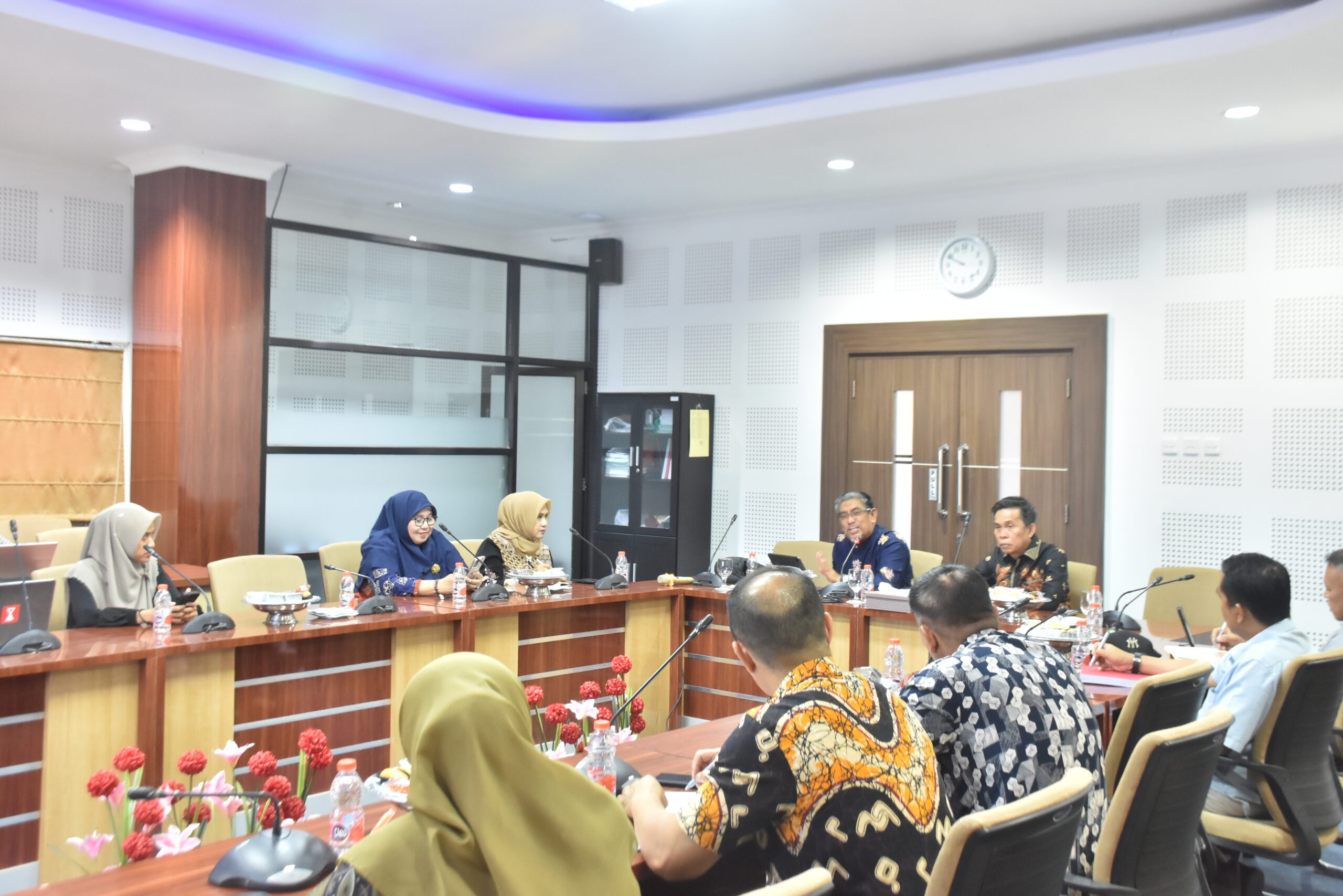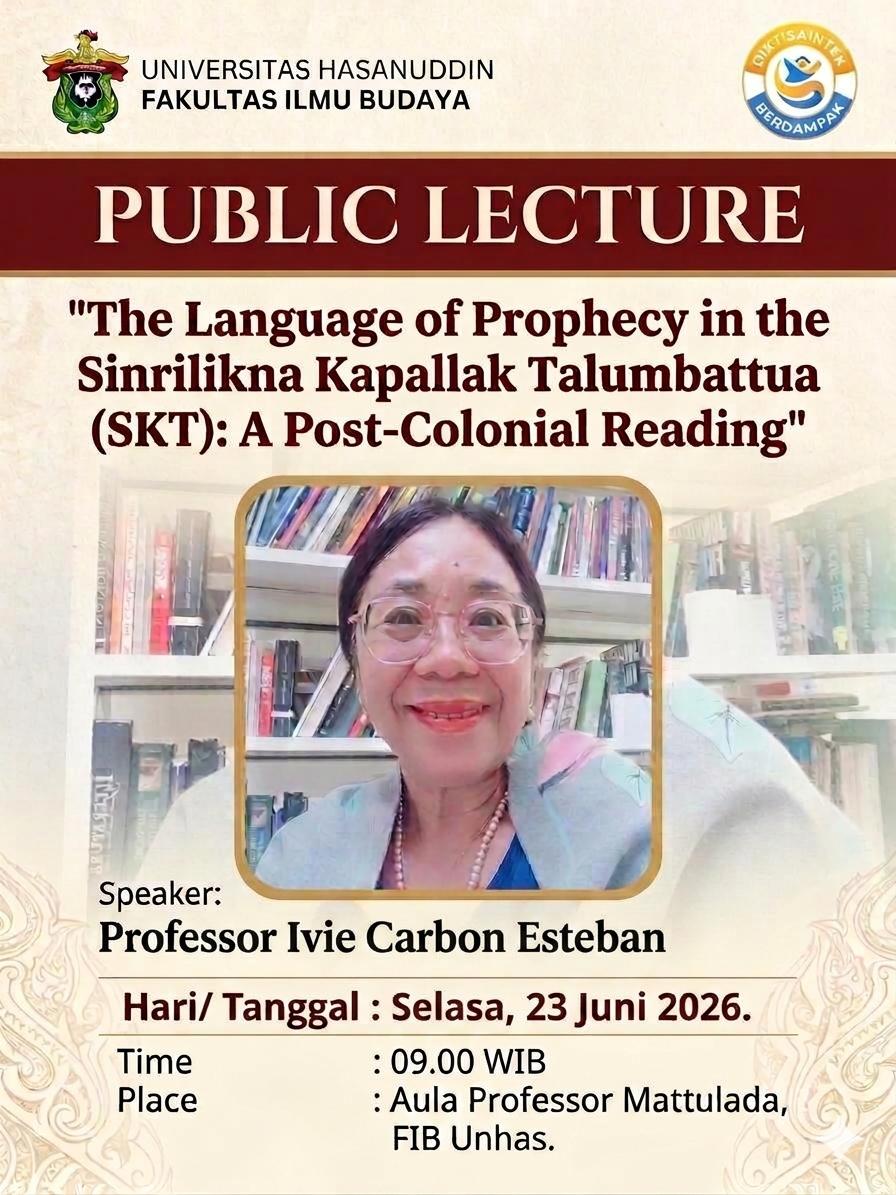
FIB Unhas – The echo of literary and historical discourse filled the Prof. Mattulada Hall on Monday afternoon, September 29, 2025. The Faculty of Cultural Sciences (FIB) Universitas Hasanuddin held a public lecture titled “Post-War Literature: Indonesian and French Contexts,” which presented two different cultural perspectives on responding to collective trauma through literary works.
The event, which took place from 13.00-15.00 WITA, featured two main speakers: Dr. Isadora Richou, a translator and literary researcher, and Faisal Oddang, S.S., M.Hum., who is both a lecturer and a writer.
The public lecture was officially opened by the Vice Dean III of FIB Unhas, Dr. Wahyuddin, S.S., M.Hum. In his opening remarks, he provided sharp context regarding the different backgrounds of the two countries.
“The post-war context in Indonesia was a struggle after independence from colonialism. Whereas in France, it was born from the horrors of World War I and II, a time when human life seemed worthless,” said the Vice Dean, who is an alumnus of Sorbonne University. He hoped that comparing these two contexts would enrich the insights of the audience, the majority of whom were students.
Although scheduled to be moderated by Rezky Ramadhani, S.S., M.Litt., who was unable to attend due to health reasons, the discussion proceeded dynamically. Faisal Oddang took on a dual role as both speaker and moderator, skillfully guiding the event.
The discussion flowed, dissecting how literature becomes a space to record, question, and even heal the wounds of history.
“Literature not only records, but also reinterprets an era,” said Faisal Oddang during the discussion. “Looking at post-war works from Indonesia and France side-by-side gives us a mirror, showing how the human response to tragedy can be universal, yet its cultural expression remains deeply personal.”
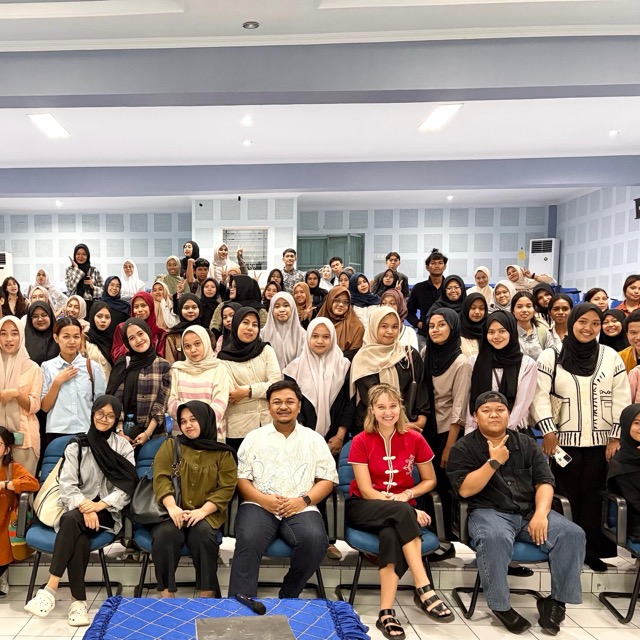
The public lecture successfully drew high enthusiasm from students and the general public, as evidenced by the many questions asked. This event demonstrated FIB Unhas’s commitment to providing a space for relevant, cross-cultural intellectual dialogue.