FIB Unhas — For most academics in Indonesia, Scopus is not merely a bibliographic database. It often transforms into a terrifying “ghost”: chased to fulfill administrative requirements, yet often slipping through one’s fingers due to strict writing standards. This collective anxiety is what the Faculty of Cultural Sciences at Hasanuddin University (FIB Unhas) aims to soothe and convert into productive energy through the Academic Writing Programme.
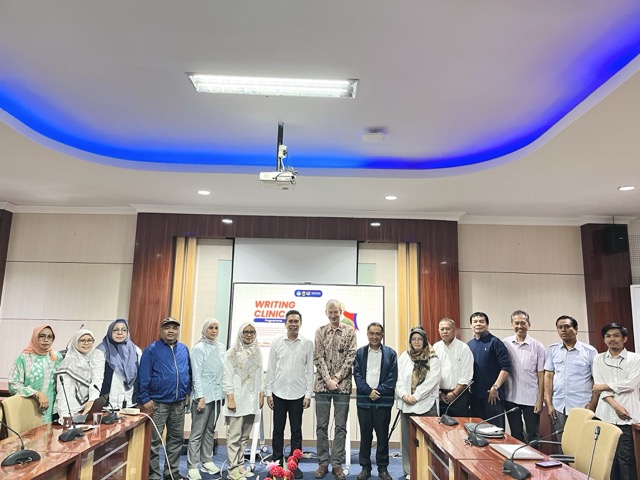
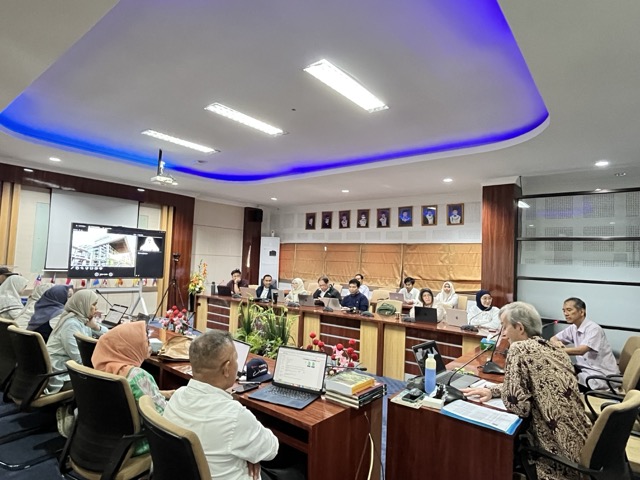
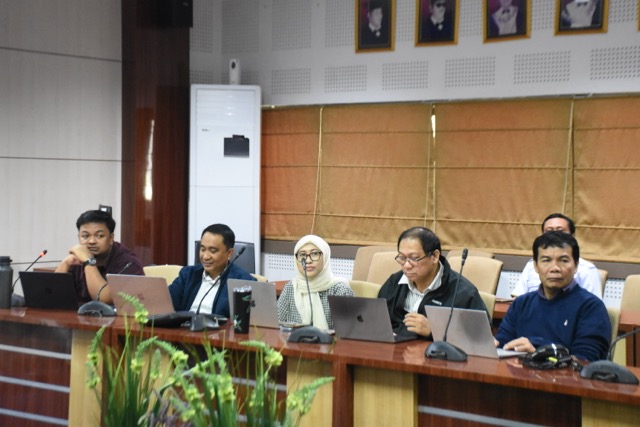
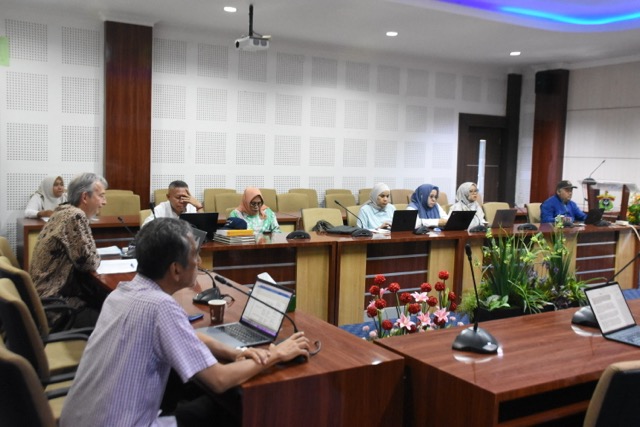
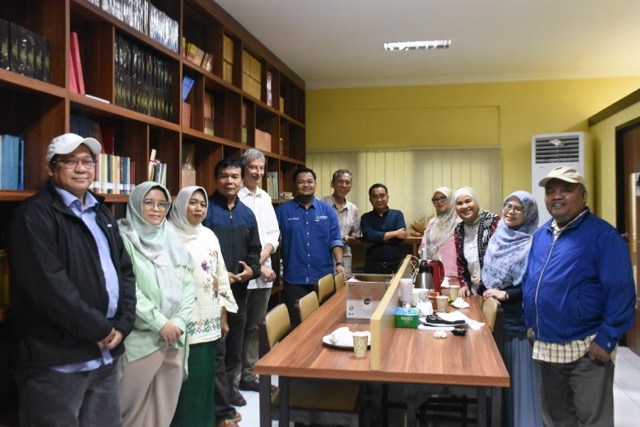
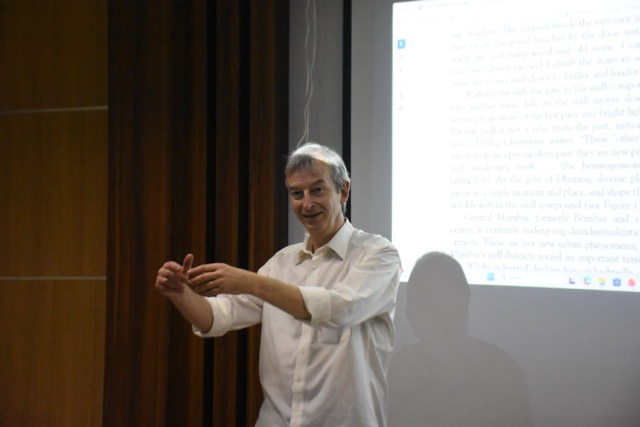
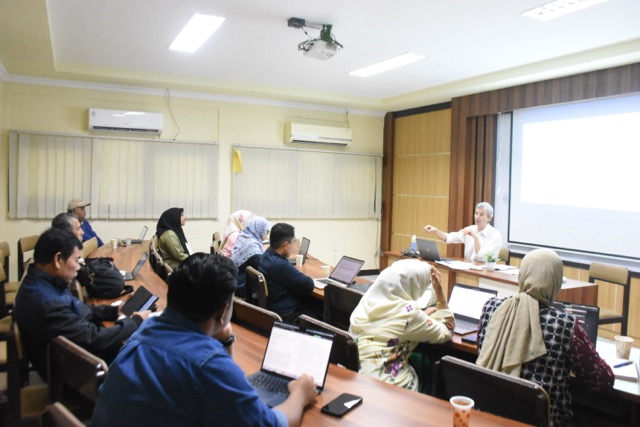
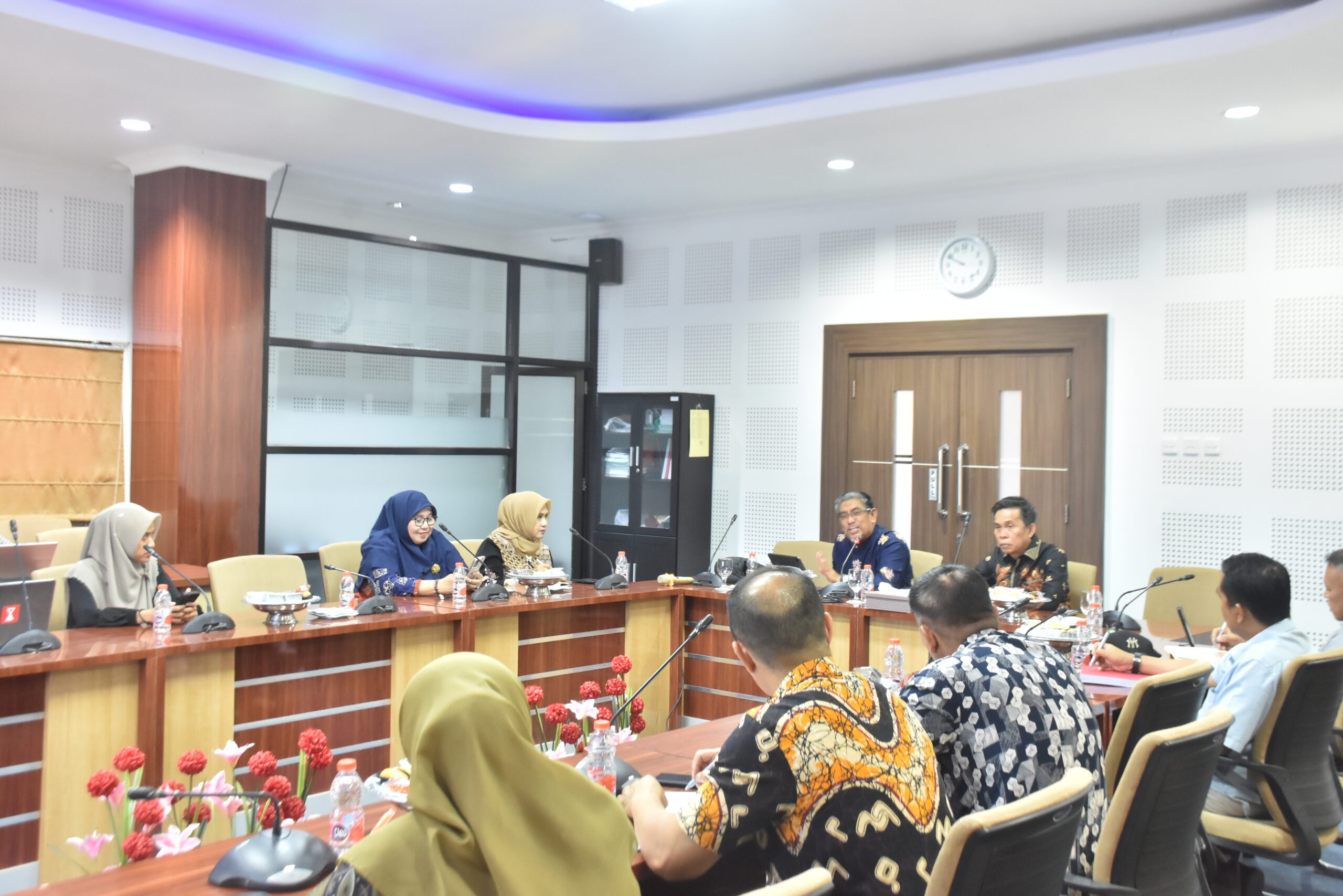
For three consecutive days, from Monday to Wednesday (February 2–4, 2026), the Senate Meeting Room and the History Lab at FIB Unhas turned into an intellectual workshop. Under the guidance of Prof. Freek Colombijn, Ph.D.—a senior anthropologist and historian seasoned in international publishing—young lecturers and researchers at FIB Unhas were not taught “instant tricks” to breach journals. Instead, they were invited back to basics: how to build arguments supported by strong evidence.
The event opened with a presentation on the academic reality of the faculty by the Dean of FIB Unhas, Prof. Dr. Andi Muhammad Akhmar, S.S., M.Hum. He presented candid data regarding the faculty’s current research situation, from citation counts to publication achievements involving students from undergraduate to doctoral levels. These figures set the background for why this workshop is crucial.
However, Prof. Freek hastily emphasized that the main challenge for Indonesian researchers is not merely topic mastery. “Many people understand the topic, but do not publish it,” he noted. He shared personal experiences, reminding participants that English dominance in science cannot be separated from imperial history. Consequently, there are sharp stylistic differences. European journals might prefer “thick” details, while American journals tend to favor macro narratives, as observed by Meta Sekar Puji Astuti, Ph.D. during the workshop.
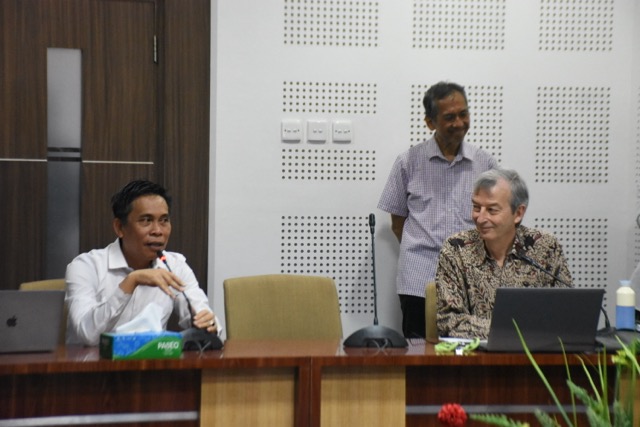
One of the most interesting discussions arose when Dr. Ida Liana Tanjung mentioned the role of Artificial Intelligence (AI) in overcoming language barriers. The moderator, Drs. Dias Pradadimara, M.A., provided a sharp critical note: the passive voice, common in Indonesian, often kills “subject clarity” when translated into English. In a global academic context, the ambiguity of “who is doing what” can be seen as obscuring power relations. At this point, AI can be utilized to assist writers.
On the second and third days, the atmosphere shifted to become more technical yet intimate. Participants dissected their article drafts in a peer-review format. The topics raised were highly diverse, reflecting the richness of research at FIB Unhas.
Dr. Andi Faisal, for instance, presented on “Warung Kopi” (Coffee Shops) in Makassar. Prof. Freek suggested that Andi not merely describe coffee shops as hangout spots but highlight the “street democracy” aspect within them. “Compare it with European café culture to attract international readers, but maintain the local flavor,” Prof. Freek advised.
In another corner, Faisal Oddang, M.Hum., brought a fresh approach via Digital Humanities and “distant reading” of literary works. The challenge was unique: explaining technical computational terms without confusing pure literature readers while keeping the humanist touch. Meanwhile, Dr. Dafirah, researching the Madingin-dingin tradition in Selayar, was encouraged to employ “thick description” so international readers would not get trapped in mere exoticism but understand the spiritual nuances of the ritual.
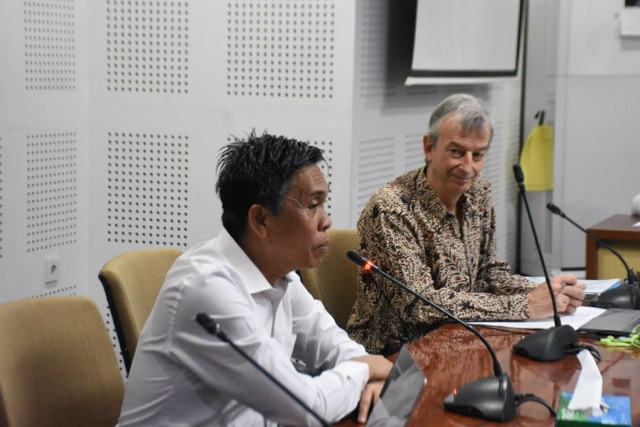
The Academic Writing Programme concluded with an in-depth consultation session on Wednesday (4/2). Prof. Freek again warned against the “trap” of the passive voice, a common ailment among Indonesian writers. He emphasized the importance of rigorous proofreading to ensure the active subject is clearly visible—an absolute requirement for international journal standards. Ultimately, this workshop was not just about breaching Q1 or Q2 journals. Paraphrasing Ernest Hemingway, Prof. Freek stated: “Writing is hard, so I make writing a happy thing for myself.” The Vice Dean for Partnership, Research, Innovation, and Alumni, Dr. Wahyuddin, M.Hum., who oversaw the activity, hopes participants can finalize their manuscripts for submission within the next three months. Armed with sharper arguments and a solid IMRaD (Introduction, Methods, Results, Discussion) structure, the “Scopus ghost” is expected to no longer be terrifying, but to become a dialogue partner for FIB Unhas academics on the global stage.