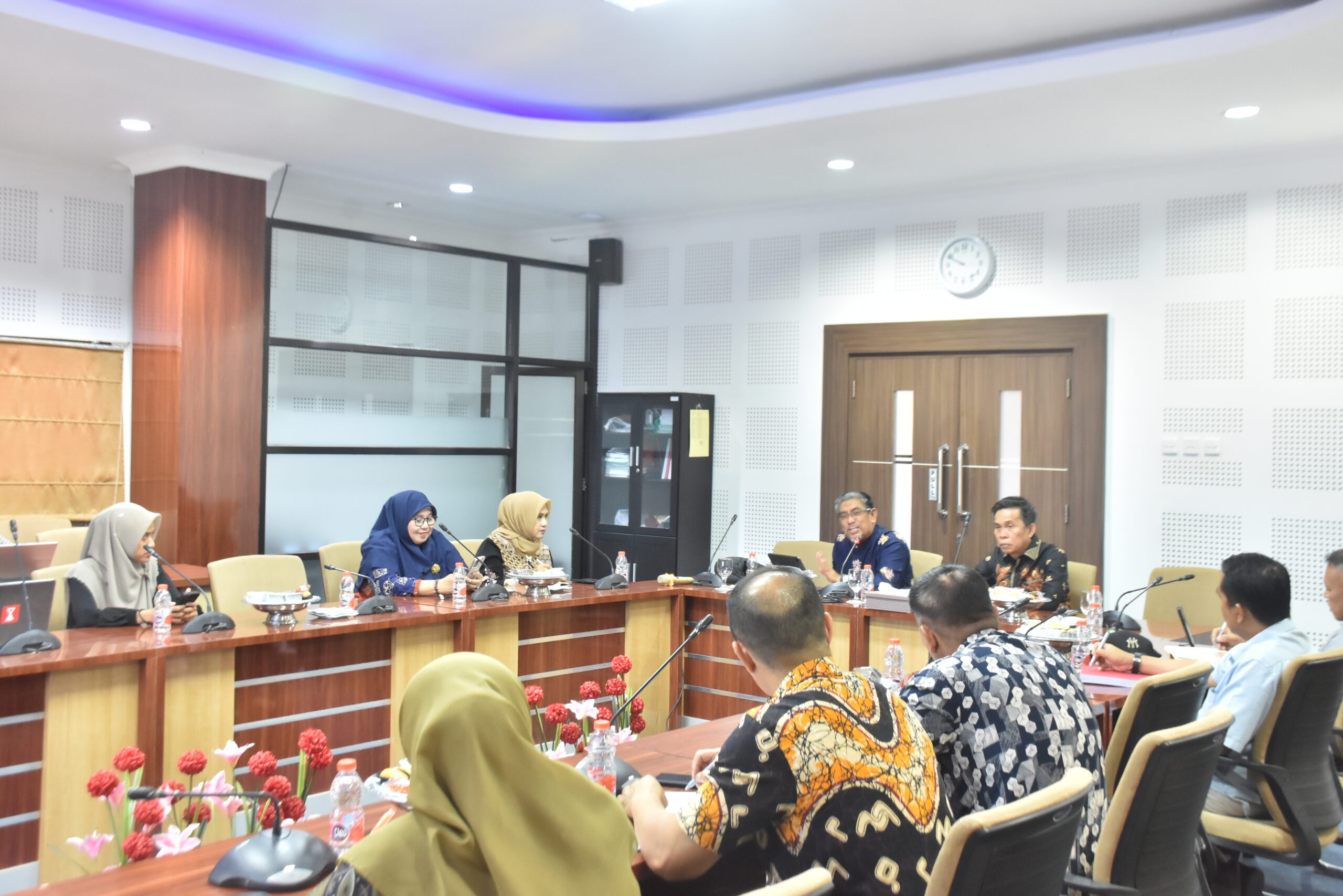
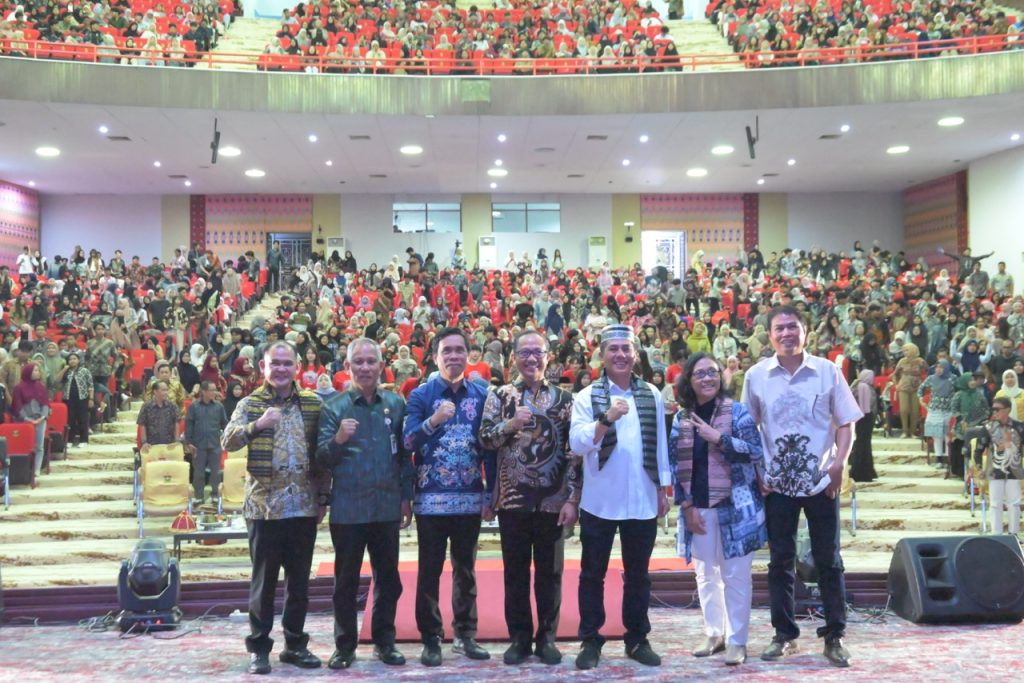
FIB Unhas — Baruga Andi Pangerang Pettarani, on Saturday (Dec 6, 2025), bore witness to an intellectual gathering held by the Faculty of Cultural Sciences (FIB) at Universitas Hasanuddin. As part of the 65th Anniversary (Dies Natalis) series, FIB Unhas organized a National Dialogue with a deeply reflective theme: “Culture & Nationhood within the Framework of Great Indonesia.”
This event was not merely a ceremonial celebration of age. The Vice Rector I for Academic and Student Affairs of Unhas, Prof. drg. Muhammad Ruslin, M.Kes., Ph.D., Sp.B.M(K), emphasized while opening the event that the Anniversary is a revival point to strengthen character. He described FIB as a faculty with a unique distinction that cannot be duplicated by other faculties due to its local wisdom.
“We usually refer to Indonesia as the Unitary State of the Republic of Indonesia (NKRI), but within it lies culture, which serves as both a fortress and a shared guideline for us all,” said Prof. Ruslin, reminding the audience that Indonesia stands upon the diversity of more than 500 ethnic groups.
The selection of this dialogue theme was born from academic anxiety. The Dean of FIB Unhas, Prof. Dr. Andi Muhammad Akhmar, S.S., M.Hum., highlighted a phenomenon where national discussions often proceed in isolation, separated from cultural dimensions. Whereas, according to him, Indonesia was not born from uniformity, but from a collective desire to live in diversity.
“National consciousness is a collective work that grows from historical experience and cultural symbols,” said the Professor of Literary and Cultural Studies. He hopes this momentum will reposition FIB as a pioneer of cultural advancement, not merely a preserver of the past.
The discussion grew warmer with the presence of a member of Commission I of the Indonesian House of Representatives (DPR RI) who is also an Unhas alumnus, Dr. H. Syamsu Rizal, M.I., S.Sos., M.Si. The man affectionately known as Deng Ical provided a public policy perspective. He criticized that although cultural laws exist, their implementation as strategic state policy still lacks capable guarding institutions.
The Committee Chairperson, Hasbi Lodang, closed the essence of the event with the hope that students would no longer view culture merely as ancient artifacts. “There are more substantive matters,” he expressed. This dialogue is expected to serve as a spark for the academic community to remain critical, making culture the root of their thinking and acting amidst global geopolitical challenges.