
FIB Unhas – The Wanua Tosora Cultural Week has been held once again. This year’s annual event, themed “Mapparewe Sumange Maradeka Naiya Makkiade,” featured a series of traditional events such as Tudang Sipulung and Mattomppang Arajang, which took place on Friday, September 26, 2025, in Tosora, Wajo Regency.
The event opened with remarks from the Head of Tosora Village, Asri Prasak Mas’ud, S.Sos., who emphasized the importance of making Tosora a district (kecamatan) and pushing for its designation as a cultural heritage site. Similar support was conveyed by the Head of Majauleng District, Andi Parawangsyah, S.Sos., M.Si., who assessed that strengthening Tosora’s status is a strategic step for historical preservation and the development of a culture-based tourism economy.
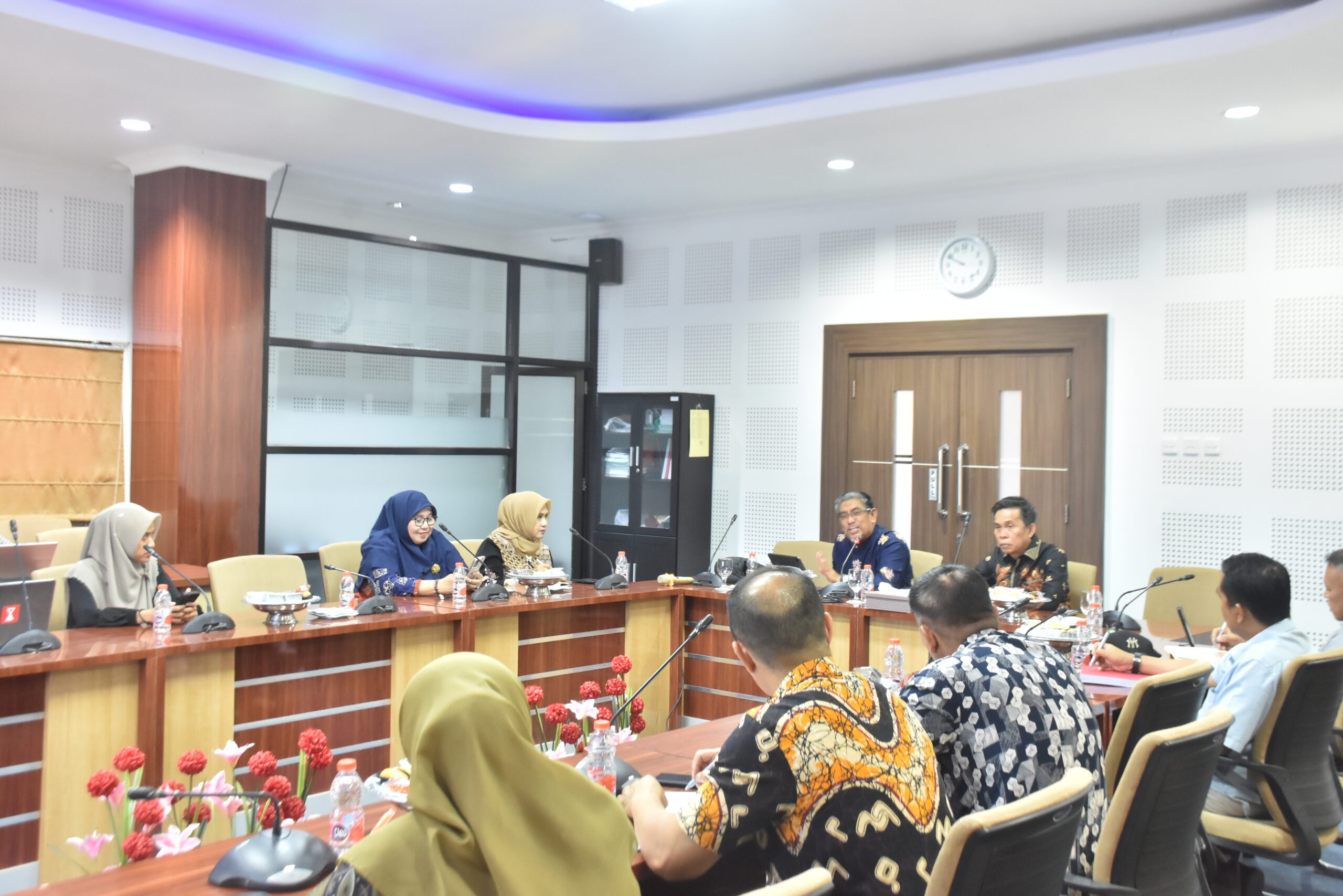
The Vice Dean III for Partnership, Research, Innovation, and Alumni of the Faculty of Cultural Sciences (FIB) Unhas, Dr. Wahyuddin, S.S., M.Hum., who attended on behalf of the dean, stated that Tosora’s existence is important to study not only from a historical perspective but also for the noble values it contains. “I first learned about Tosora from literature while studying at Sorbonne University, France. Today, I see firsthand how Tosora holds a valuable heritage,” he revealed.
The Vice Regent of Wajo, Dr. H. Baso Rahmanuddin, M.M., M.Kes., affirmed that Tosora is special, even if it does not yet meet the administrative requirements to become a district. He recalled that Wajo was first declared in Tosora with its distinctive system of representative democracy.
Historical relics such as the Tosora Old Mosque and the tomb of the Islamic propagator, Said Jamaluddin Al Akbar Alhusain, serve as authentic evidence of its preserved historical and religious values. According. to Baso, this cultural activity not only binds the collective memory of the community but also opens economic opportunities through historical and religious tourism.
He hopes the Tosora Cultural Week will one day transcend the local Wajo scale, reaching national and even international stages. In turn, the strength of its historical, cultural, and religious values will be what allows Tosora to be promoted as a district in a special way, bypassing the usual requirements.
The series of events concluded with the reading of the sureq (traditional Bugis manuscript), marking the end of a cultural week celebrating Tosora’s identity as a center of Bugis history and knowledge heritage.(*)